
Resources
Early Neurological Stimulation:
Spay-neuter considerations to maximise health:
Dangerous Dog Toys: What to Avoid, From Toxic Materials to Unsafe Designs
https://www.rover.com/blog/toxic-pet-toys-beds-safety-guide/
What Dog Owners Need to Know About the FDA’s Grain-Free Diet Alert and DCM
https://www.akc.org/expert-advice/nutrition/fda-grain-free-diet-alert-dcm/
Food Toxic For Dogs
https://dogsaustralia.org.au/health-wellbeing/toxic-food-for-dogs/
Can Dogs Eat Mushrooms?
https://www.akc.org/expert-advice/nutrition/can-dogs-eat-mushrooms/
https://www.vetmed.com.au/are-mushrooms-toxic-and-harmful-to-dogs-and-cats/
What To Do If Your Dog Licks A Cane Toad
CANE TOAD POISONING: WHAT TO DO!
Top Beach Dangers for Dogs
Dangers of Sand Ingestion in Dogs
https://www.akc.org/expert-advice/health/dog-eating-sand/
Your puppy and stairs.
Risks of spay neuter:
Impact of Exersice on Puppy Growth Plates:
Compare dry dog foods:
Urgent Warning To Pet Owners as a Dog’s Feet Become Severely Burned From Walking on Hot Pavement:
Tips For Choosing a Second Dog:
https://www.facebook.com/best.buddies.3363334/posts/393305204944983
Why Double Coated/Long Hair Dogs Do Not Require Shaving:
https://www.facebook.com/sunshinecoastdogclub/posts/1948671598543693
Blue-Green Algae – Toxicity to Pets:
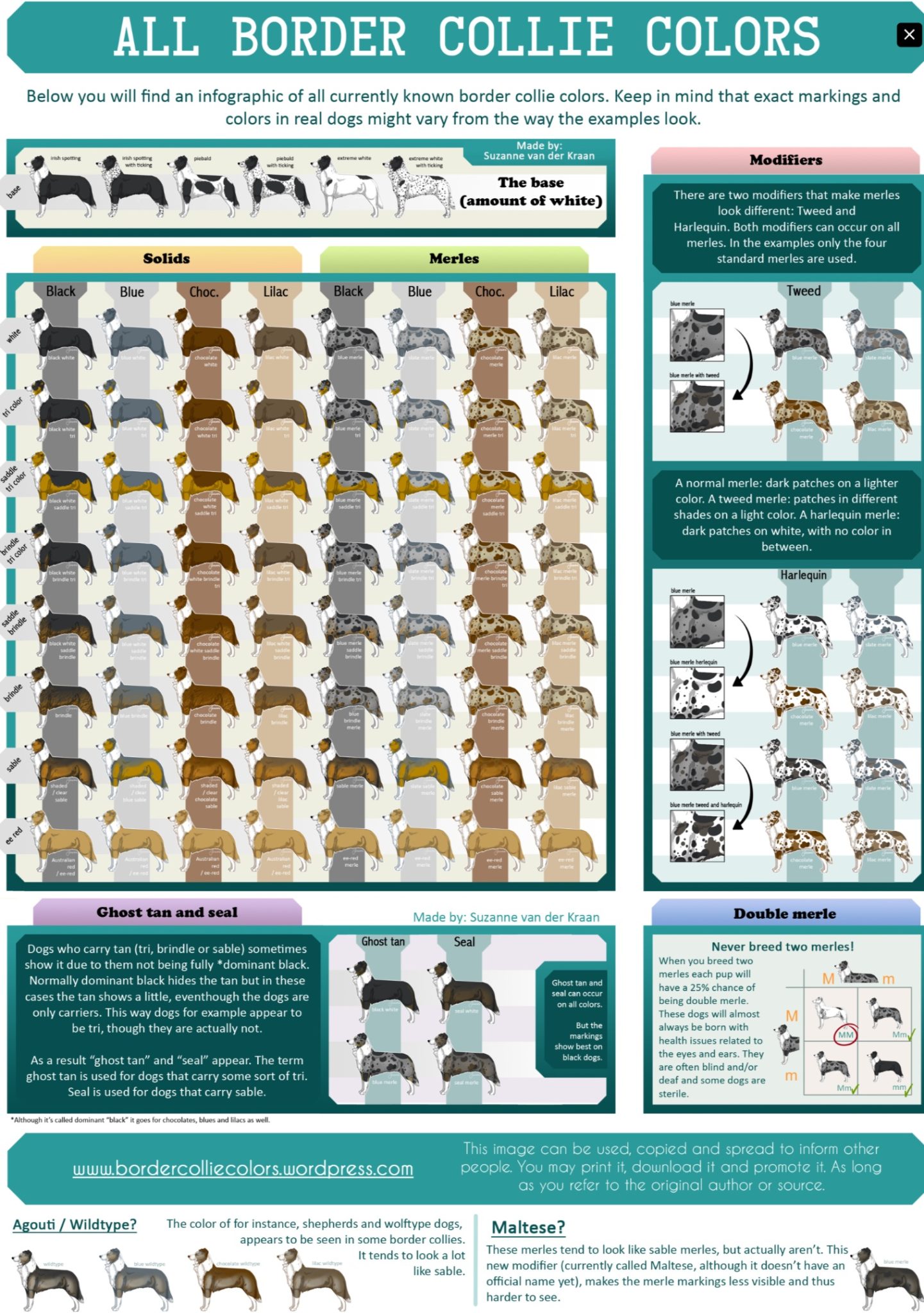
What the Border Collie Colour, ‘Seal’, Really Looks Like:
Dog Eating Sand:
https://www.akc.org/expert-advice/health/dog-eating-sand/
https://bccsa.org.au/coat-colour-genetics.html
Puppy Raising Tips ENS and ESI:
https://pupstartsbreeders.com/puppy-raising-tips-ens-and-esi/
Dog Splooting – Cute Dog Stretching or Cause for Concern
Here are some great tips to help promote longevity in Border Collies:
Healthy Diet
Regular Exercise
Routine Vet Visits
Mental Enrichment
Maintain Healthy Weight
Safe Environment
Early Health Screening
1. Border Collie Longevity Care Guide1. Nutrition
- Provide a balanced, high-quality diet formulated for your dog’s age, size, and activity level.
- Include fresh water at all times.
- Avoid overfeeding or too many treats to maintain a healthy weight.
2. Exercise & Mental Stimulation
- Border Collies need at least 1–2 hours of daily exercise. Include walks, runs, and playtime.
- Incorporate mental challenges like training sessions, puzzle toys, and agility exercises to keep their brain sharp.
3. Regular Veterinary Care
- Schedule bi-annual vet checkups.
- Keep vaccinations, flea/tick preventatives, and heartworm medication up to date.
- Dental care is essential: brush teeth regularly or provide dental chews.
4. Weight Management
- Maintain an ideal weight to reduce strain on joints and prevent diseases like diabetes.
- Adjust food and activity levels as your dog ages.
5. Safe Living Environment
- Puppy-proof your home and yard to prevent accidents.
- Provide comfortable bedding and shelter from extreme weather.
6. Early Health Screening
- Consider genetic testing for breed-specific conditions like hip dysplasia and eye disorders.
- Monitor for symptoms of common Border Collie ailments and address promptly.
7. Socialization & Emotional Wellbeing
- Border Collies thrive on companionship and positive social interactions.
- Avoid long periods of isolation or boredom.
BARF Diet for Border Collies: A Natural and Balanced Approach to Canine Nutrition
Understanding the BARF Diet
While wolves and wild dogs aren’t strict carnivores (they are facultative carnivores, meaning they can eat and benefit from some plant foods), animal protein remains the foundation of their diet. The BARF model combines this understanding with fresh, raw ingredients tailored to modern pets’ needs.
Typical Composition of a BARF Diet
A complete BARF meal for a dog typically includes:
- 70–80% raw meat, organs, and bones (of this, ~10% should be bone, and ~10% should be organ meat, with half of that being liver)
- 15–25% finely ground or puréed vegetables and fruits
- 5–10% optional extras like eggs, fish oil, seeds, or herbs
Core Protein Sources in Australia
Australia’s agricultural abundance makes it especially well-suited for BARF feeding. Pet owners have access to a variety of clean, hormone-free meat options, many of which are locally sourced and sustainable:
1. Kangaroo
2. Beef and Lamb
3. Chicken and Turkey
4. Fish
- Salmon (raw with bones, or canned in water)
- Pilchards or Sardines (preferably wild-caught, canned in water)
- Mackerel
Fish should be fed 1–2 times a week or included in small portions as part of the weekly plan. Always ensure fish is fresh and free from parasites.
Essential Plant Ingredients in BARF
While meat makes up the bulk of the BARF diet, the inclusion of vegetables and select fruits provides valuable fiber, antioxidants, enzymes, and micronutrients. For dogs, raw vegetables must be puréed, steamed, or lightly cooked to break down the plant cell walls (dogs lack the enzymes to digest cellulose effectively).
Some of the most beneficial plant additions include:
1. Broccoli
2. Cauliflower
3. Pumpkin and Sweet Potato
4. Spinach and Kale
5. Carrots, Apples, and Blueberries
Key Health Benefits of the BARF Diet
Many owners who transition their dogs to a BARF diet report noticeable improvements in several areas of their pet’s health. Here are some commonly observed benefits:
1. Improved Digestion and Stool Quality
2. Healthier Skin and Coat
3. Dental Health
4. Enhanced Energy and Vitality
5. Stronger Immune System
6. Weight Control
Nutritional Balance: Avoiding Common Mistakes
- Too much bone – Excess bone can lead to constipation or nutrient imbalances.
- Lack of variety – Feeding only chicken or beef, for example, can lead to deficiencies over time.
- Incorrect organ ratios – Liver is crucial but must not exceed 5% of the total diet to avoid vitamin A toxicity.
- Underfeeding vegetables – Though secondary in quantity, vegetables provide necessary micronutrients.
A general rule is to rotate protein sources weekly and include a variety of vegetables and small fruits in moderation.
Transitioning to a BARF Diet
- Start by mixing a small amount of raw food with the current diet.
- Increase the raw portion while decreasing kibble each day.
- Monitor stool quality, energy levels, and appetite.
- Always introduce new proteins or organs slowly and one at a time.
Consult with a veterinarian or pet nutritionist, especially for dogs with existing health conditions, puppies, or senior dogs.
Safety and Hygiene
- Use clean surfaces and utensils.
- Wash hands thoroughly.
- Store raw meat properly (refrigerated or frozen).
- Thaw in the fridge, not at room temperature.
- Avoid feeding cooked bones, which can splinter and cause internal damage.
Conclusion: Is BARF Right for Your Dog?
While transitioning to raw feeding requires commitment, research, and care, many dog owners find that the health benefits—shinier coats, healthier teeth, better digestion, and more energy—are well worth the effort. As with any dietary change, consult with your vet to ensure your dog’s specific needs are met and that the diet is nutritionally complete and safe.